
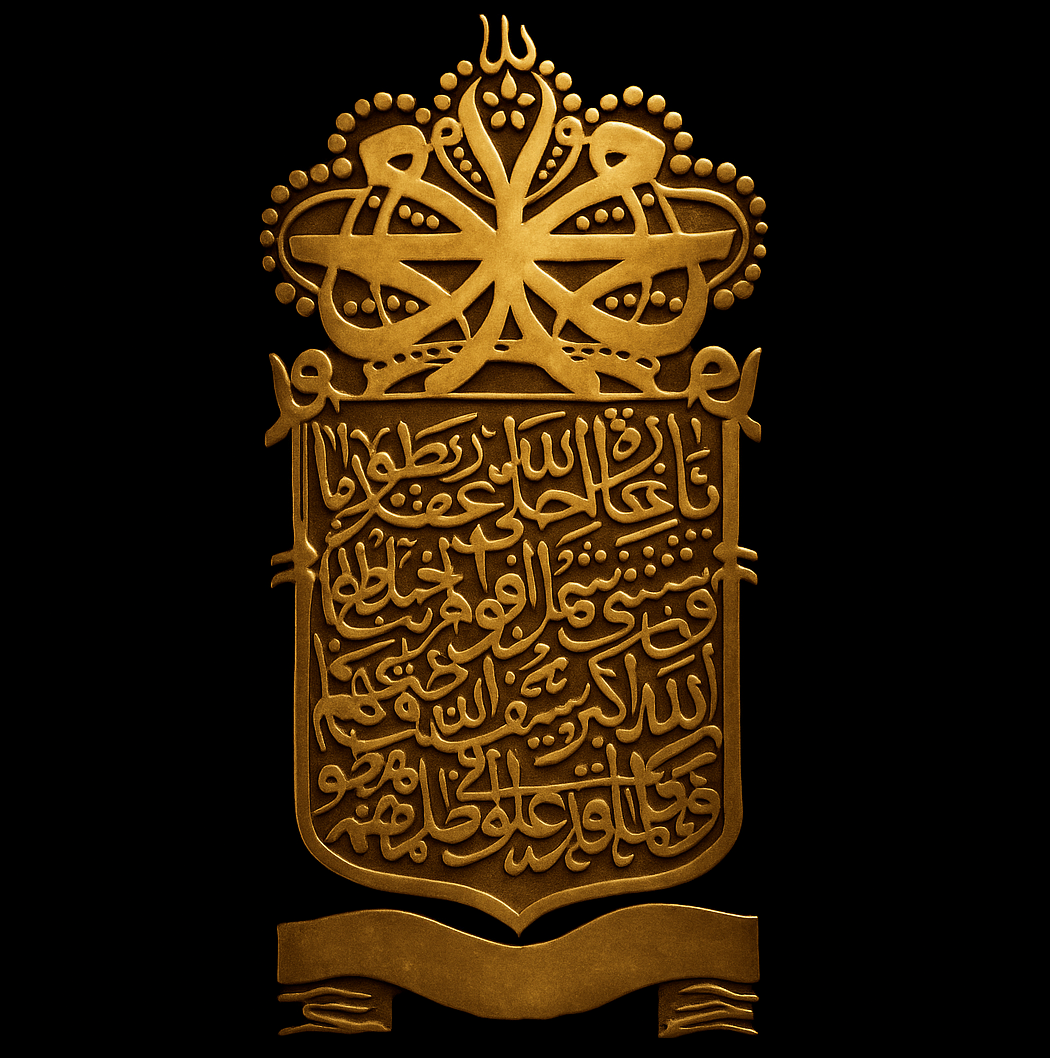
Our Lineage:
DYMM MAHADI IBNI DYMM MOHAMMADIAH
IBNI SULTAN ABU BAKAR IBNI SULTAN AHMAD RIAYATSHAH (MAT DAENG) IBNI SULTAN
SULAIMAN BADRUL ALAM SYAH.
BEHIND THE HISTORY (Grants of
1878)
The year 1878 marks the official
year the central government of the Riau-Lingga Sultanate moved to the Malay
Peninsula (Johor), also known as the mainland (Nusantara) or Malaya in former
times. SOUTH JOHOR was established as the administrative center and the ISTANA
BESAR (Grand Palace) for the (Malay/Bugis) Riau-Lingga Sultanate.
This move was the result of
negotiations between the Dutch and Raja Ahmad (Sultan Ahmad), the Sultan Agong
of Riau-Lingga. During that time, Sultan Abu Bakar was appointed as the ruler
of the Johor-Riau-Lingga kingdom, succeeding his father, Raja Ahmad (Mat
Daeng), who was aging and infirm.
The Malay Peninsula (Johor)
needed to be developed; after Riau-Lingga achieved rapid economic progress
through cooperation between Riau and the Dutch authorities, the relocation of
the Riau-Lingga Sultanate took place.
Malacca is a historic old city that cannot be altered by any Malay/Bugis Sultanate; it was established as a
state governing economy and military strategy. In 1878, official land grants
were issued as proof of the perfection of JOHOR (Singapore) RIAU LINGGA being
subject to the Malacca land grants. The original 1878 Grant (999 years) serves
as evidence of Malacca’s power as a relevant Malay/Bugis Sultanate Empire...
Malacca Empire to Johor-Riau-Lingga (via grant).
HISTORY OF THE BRITISH ROYAL SEAL (1885 S.U.P.S)
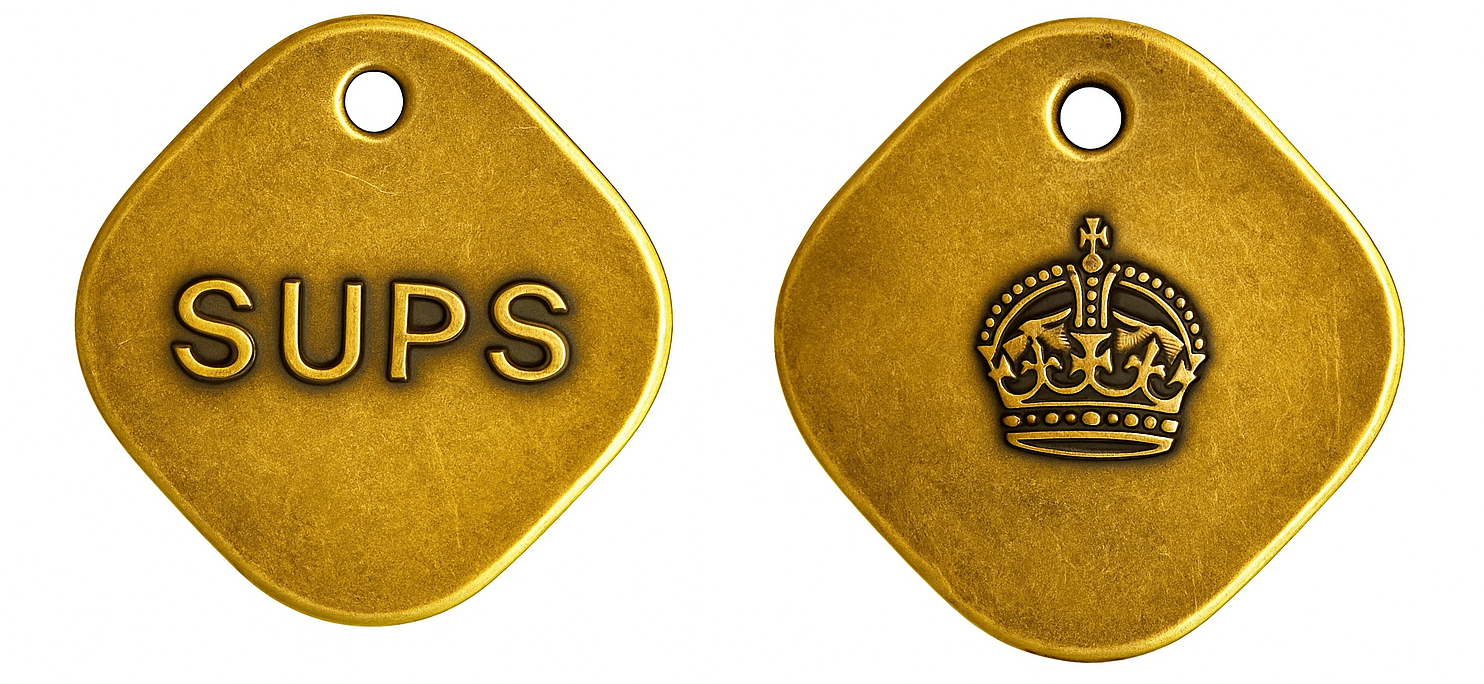
In 1885, the sovereignty of
SULTAN ABU BAKAR of Johor-Riau-Lingga was recognized by Queen Victoria, who
ruled the British Empire. The Queen signed a treaty with Sultan Abu Bakar ibni
Sultan Ahmad (Mat Daeng).
Under this treaty, the British
Empire and Johor-Riau-Lingga were recognized as sovereign allies that could not
be colonized or betrayed, and their waters were protected from pirates. As a
token of this friendship, Sultan Abu Bakar was awarded the official British
Royal Seal inscribed with S.U.P.S. The legal firm Rodyk and Davidson were also
involved in this agreement.
(Ref: Prof. Abd Jalil Borhan in
the monograph "The Establishment of Islamic Law in the State of
Johor," Edition 1).
THE HISTORY BEHIND THE 1911 GRANT
(Klang)
1927 was the year the official
land grant for Klang was issued, proving that the entire Mukim of Klang is the
royal territory of JOHOR-RIAU-LINGGA. It was awarded by the 1st Sultan of
Selangor, Raja Lumu (Sultan Salehuddin), to Raja Ahmad (Mat Daeng), the father
of Sultan Abu Bakar (Johor-Riau-Lingga). This land transfer was a gift, as Raja
Ahmad, as a Malay Sultan, shared a kinship with the Bugis heritage. The land of
Klang serves as a symbol of Malay/Bugis brotherhood.
The original 1911 royal land
grant remains intact as a sign of the Johor-Riau-Lingga Sultanate's territory.
it is recorded under Lot 2525, covering 3 acres in Pulau Indah / Teluk Gong,
Klang, Selangor.
THE DARK HISTORY
(JOHOR-RIAU-LINGGA) (1915 to Present)
This is a history of the 13th Malay Sultanate, which was betrayed during the reign of Sultan Abu Bakar
(Johor-Riau-Lingga). Sri Temenggung Wan Abdul Rahman bin Salleh (Dato’ Bentara)
committed treason against the Sultan. He, along with foreign powers, conspired
to attack the Sultan secretly.
This event occurred around 1915–1917,
while Sultan Abu Bakar was away from the Palace (on land-opening business). The
Temenggung and foreign powers took this opportunity to attack the Grand Palace
and forced the queen, prince, and loyal warriors to flee. The Sultan
learned of the upheaval from his confidants; to avoid bloodshed, Sultan Abu
Bakar and the royal family sought refuge. Following this event, the Sultan used
aliases such as Orangkaya, Penghulu, Village Head, etc., to evade capture by
colonial powers and the traitorous Temenggung.
Once Sri Temenggung Wan Abdul
Rahman succeeded in his ruse with the British to overthrow Sultan Abu Bakar, he
changed his status and used the name "Sultan Abu Bakar." He
arrogantly titled himself "MAHARAJA ABU BAKAR ibni Temenggung Ibrahim"
and began an illegal usurpation of power.
After 7 years of this illegal
rule, Temenggung Abdul Rahman died around 1925 (or 1895—fake date).
Subsequently, TEMENGGUNG IBRAHIM (Ibrahim) from England (fake origin) claimed
to be the son of the Temenggung to replace him. Between 1925 and 1930, shortly
after the coup, Temenggung Ibrahim altered civic laws and reduced the Sharia
laws established in 1895. He also formed the Johor Military Forces (JMF) to
protect the interests of his family.
For public knowledge, the JOHOR
Land Grants were a ruse orchestrated by foreign parties and Temenggung Ibrahim
to consolidate their position. The Temenggung (Chief of Police) was originally
a commoner. Their lineage was elevated over generations to become nobility and
trusted officials of the Sultan.
To this day, the descendants of
the Temenggung use the name "Sultan Abu Bakar" to continue enjoying
the throne and land (illegally). Currently, what distinguishes our lineage from
the traitors is the title "Maharaja" used by their line.
ROYAL-OWNED LANDS are known
as... AGRICULTURAL LAND... FOUNDATION LAND... GIFT LAND... which cannot be
bought, sold, or transferred for 999 years from the date the official grant was
issued.
The history of the 1911 Klang
Grant and the 1885 British Royal Seal (S.U.P.S.) is recorded in the history
written in the monograph The Establishment of Islamic Law in Johor, Edition 1, by Prof. Abdul Jalil Borhan (UiTM Skudai, Johor).
GENEALOGY OF RAJA MAHADI
(Grandson of Sultan Abu Bakar, Johor-Riau-Lingga)
B.S.M. Abdu'l Majid (Padang
Saujana): d. 1697
B.P.R.(S) Abdul Jalil Riayatshah:
1699–1719
Sultan Sulaiman Badrul Alam
Shah: d. 1760 (Contemporary of Daeng Chelak & the 5 Brothers, 1600s)
Sultan Ahmad Riayat Shah: 1750–1880 (Brother of Sultan Muhammad/Mahmud III... Sultan Muhammad was the father
of Sultan Hussein of Singapore.)
Sultan Ahmad Riayatshah (Mat
Daeng): 1750s; at age 10 (1761), appointed as heir to the Riau-Lingga
Sultanate... during the era of Raja Haji Abdullah (Raja Fisabilillah), the
Yamtuan Muda of Riau, brother to Raja Lumu (Sultan Salehuddin of Selangor).
Sultan Abu Bakar (Bugis): 1833–1935 (known by several names: Sir Baker / Rabu Sahudin / Abu Bakar Mat Daeng /
Abdullah Samsu Baginda). A contemporary of Sultan Abdul Samad (Selangor),
Temenggung Abdul Rahman 1860 (Teluk Blangah), and Tengku Ali/Nong Chik
(Kersang Laut).
Y.M. Tuanku Muhammadiah (Raja
Kecik): 1905–1989
Y.M. Tuanku Mahadi (Raja
Mahadi): 1935–2015
Marriage of DYMM Tuanku
Muhammadiah:
Y.M. Tuanku Muhammadiah (Malay)
[Only son of S. Abu Bakar] + Putri Robiah (Bugis) [Selangor Royalty]
Result: Born the only grandson,
Putra Raja Mahadi (Malay/Bugis), inheriting the Kingdoms of Johor-Riau-Lingga
and Selangor.
A sworn oath as long as the Moon
and Stars exist, accompanied by the upholding of the Al-Quran: The Malay Kings
and Bugis Kings must be united in lineage until the end of time.
GENEALOGY OF THE TEMENGGUNG
(Muar-Johor)
Engku Temenggung Sagar Diraja
(1600s)
Engku Temenggung Samar Diraja
Engku Temenggung Buruk
Engku Temenggung Konit
Engku Temenggung Ismail
Engku Temenggung Muhd Saleh
(Salleh Perang)
Temenggung Wan Abd Rahman (Teluk
Blangah): 1860–1925. (Usurped the throne in 1915 and styled himself MAHARAJA
ABUBAKAR ibni (Fake/False) Temenggung Ibrahim. Claimed to be "Bugis"
from Bulang (Tanjung Pinang). Moved his administration from Teluk Blangah to
South Johor.)
Temenggung Ibrahim (Mr.
Ibrahim): 18xx–1959
Temenggung Ismail (Sultan
Ismail): d. 1971
Temenggung Mahmud (Sultan
Iskandar): d. 2010
Temenggung Ibrahim (Sultan
Ibrahim): Current
Note : Sultan Abu Bakar and Sultan Hussein were cousins.
The British-added title name from Sultan Abu Bakar to Tuan Abdul Rahman Andak.
And add the title name from the Dutch:
Sultan Abu Bakar to Sultan Abdul Rahman Muazzam Shah.